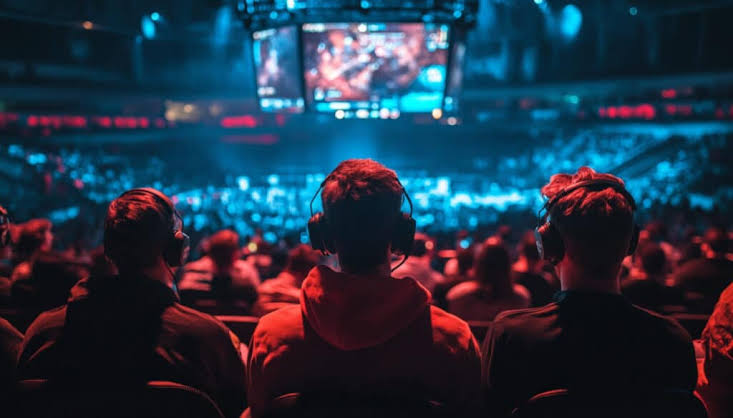
Choosing the best streaming platform for esports is no longer as simple as opening a Twitch channel. Tournament organizers and community casters can now distribute broadcasts across YouTube, Kick, TikTok Live, and several regional services, each offering different advantages.
Twitch remains closely associated with gaming culture and live community interaction. YouTube provides stronger search visibility, video quality, and long-term content value. TikTok Live is an effective discovery platform, particularly for mobile esports, while Kick gives creators another distribution and monetization option.
The right choice ultimately depends on who is broadcasting. An organizer managing a multilingual international tournament has different priorities from an independent caster covering matches for an established community.
This guide compares the main esports streaming platforms in 2026 and explains which one is best for official broadcasts, community casting, emerging creators, mobile esports, and long-term channel growth.
The Best Esports Streaming Platforms at a Glance
| Platform
|
Best suited for
|
Main advantage
|
Main limitation
|
|---|---|---|---|
| Twitch
|
Community casters and gaming-focused broadcasts
|
Established esports culture and live interaction
|
Limited long-term discovery after a stream ends
|
| YouTube
|
Official tournaments and international distribution
|
Search, video quality, VODs, and broad accessibility
|
Building an active live community may take longer
|
| Kick
|
Multistreaming and alternative esports coverage
|
Lower competition and creator-friendly monetization
|
Smaller esports audience than Twitch or YouTube
|
| TikTok Live
|
Mobile esports and audience discovery
|
Strong recommendation system and mobile reach
|
Vertical viewing is difficult for detailed gameplay
|
| Regional platforms
|
Tournaments targeting one key market
|
Access to established local communities
|
Limited value outside the target region
|
There is no universal winner for every type of esports broadcast. However, Twitch is generally the strongest choice for community casting, while YouTube is often the better primary platform for official tournament channels.
For large events, a multiplatform strategy is usually more effective than platform exclusivity.
Twitch: The Best Platform for Esports Community Casting
Twitch remains the most natural home for esports community casters. Its audience already understands gaming livestreams, channel subscriptions, emotes, raids, clips, and the relationship between creators and regular viewers.
This matters because community casting is not simply an alternative commentary track. Viewers often choose a creator because they want analysis, reactions, humor, or emotional support for a particular team. The caster becomes part of the event experience.
Several of the industry’s most influential community casters built their esports audiences on Twitch:
- Caedrel is one of the leading English-language League of Legends community casters.
- tarik attracts large Valorant audiences during major international tournaments.
- Gaules has developed an enormous Portuguese-speaking Counter-Strike community.
- Kamet0 regularly mobilizes French viewers around League of Legends and Karmine Corp.
- Ibai combines esports coverage with large entertainment events and creator collaborations.
- Scump remains an important figure for Call of Duty esports broadcasts.
- NiceWigg is strongly associated with Apex Legends community casting.
- ohnePixel covers Counter-Strike for an audience interested in both esports and the game’s wider culture.
These names can be linked to their respective channel or creator pages on StreamMetrix, allowing readers to explore their performance across broadcasts.
Why Twitch Works So Well for Community Casters
Twitch’s main advantage is the relationship between the live broadcast and its chat. The audience is not treated as a silent group of viewers. It participates through reactions, predictions, subscriptions, emotes, and recurring community jokes.
That interaction is especially valuable during esports tournaments. Matches naturally create moments of tension, celebration, and disappointment, giving viewers many reasons to engage.
Twitch also makes it relatively easy for users to move between official tournament channels, professional players, analysts, and community casters. A person watching an official Valorant broadcast may discover tarik, while a League of Legends fan can move between the main tournament feed and Caedrel’s analysis.
Twitch’s Weaknesses for Esports Broadcasting
Twitch content is heavily focused on what is happening live. Once a broadcast ends, it may become difficult for old streams to attract new viewers.
Clips can circulate beyond the original broadcast, but Twitch is less effective than YouTube as a searchable archive of complete matches, highlights, interviews, and analytical content.
Competition is another challenge. Major esports categories can contain official channels, professional players, partner broadcasts, and dozens of community casters at the same time. New creators may struggle to appear near the top of a category without bringing viewers from another platform.
For tournament organizers, Twitch should usually be considered a core distribution channel rather than the only destination.
YouTube: The Best Platform for Official Esports Tournaments
YouTube is particularly strong for tournament organizers that want to combine live coverage with long-term content distribution.
A broadcast can attract viewers while the event is live and continue generating views after it ends. Full matches, highlights, interviews, press conferences, and documentary content can all remain searchable on the same channel.
This gives YouTube a longer content lifecycle than platforms built primarily around live discovery.
Why Tournament Organizers Choose YouTube
Video quality and accessibility are major advantages. YouTube supports broadcasts across a wide range of devices, including smartphones, computers, smart TVs, and gaming consoles. This is important for major esports events that increasingly resemble traditional sports productions.
YouTube also lets organizers choose between different latency settings. A lower delay can improve live interaction, while a more stable higher-latency broadcast may be preferable when video quality and reliability are the priorities.
The platform is particularly useful for:
- Official tournament channels
- Multilingual broadcasts
- Long esports series
- High-resolution productions
- Match archives
- Highlights and short-form videos
- Smart TV viewing
- Search-driven discovery
A viewer who misses the opening map can often rewind the live broadcast or return to the archived video later. That flexibility is valuable for international events running across several time zones.
Community Casting on YouTube
YouTube can also support successful community casting, especially when a creator already has a large subscriber base.
Ibai, for example, can use his reach across different content formats to promote major livestreams. Baiano has built a recognizable position around Brazilian League of Legends, while creators such as Jankos can combine professional expertise, entertainment, and competitive analysis.
However, YouTube’s live culture is less concentrated than Twitch’s. Many subscribers primarily watch edited videos and may not automatically become regular livestream viewers.
Creators therefore need to connect formats. Match reactions can become highlights, analytical segments can become standalone videos, and Shorts can be used to promote the next live broadcast.
YouTube’s Main Limitation
YouTube is an enormous platform, but esports is only one small part of its content ecosystem. A tournament does not automatically receive attention simply because it is streamed there.
Titles, thumbnails, scheduling, search optimization, and promotion remain essential. Channels should also separate full broadcasts from highlights and other videos so that viewers can easily find the content they want.
Kick: A Growing Alternative for Esports Streams
Kick is no longer limited to general entertainment and personality-driven streams. Its role in esports distribution expanded in 2026, including the arrival of official and creator-led broadcasts around major competitive titles.
The platform can be useful for established creators who want another way to reach viewers without abandoning their primary audience elsewhere. It can also offer better visibility in categories with fewer competing channels.
Advantages of Kick for Esports Creators
Kick’s creator monetization model is one of its most recognizable selling points. For community casters with loyal audiences, favorable subscription terms may make the platform attractive even when total viewership remains lower than on Twitch.
The platform is also worth considering for:
- Simultaneous broadcasts
- Experimental community casting
- Creator-led esports shows
- Watch parties
- Smaller tournament organizers
- Creators who already have a Kick audience
Established streamers such as xQc and Trainwreckstv helped increase awareness of Kick, although their content is not centered entirely on esports casting. Their presence demonstrated that large creators could maintain audiences outside Twitch and encouraged more broadcasters to experiment with multiplatform distribution.
Is Kick the Best Choice for Esports?
Kick is not yet the strongest standalone option for most esports broadcasts. Twitch and YouTube generally offer larger established audiences for competitive gaming.
Its value lies in expansion. A creator can use Kick to reach additional viewers, test new monetization options, or reduce reliance on one platform.
For a new caster with no existing audience, lower competition may make their channel easier to find. However, there will also be fewer viewers browsing some esports categories.
Kick is therefore most effective as part of a wider distribution plan rather than the only platform used for a major tournament.
TikTok Live: The Best Platform for Mobile Esports Discovery
TikTok Live offers a different esports viewing experience. Its recommendation system can introduce a broadcast to users who do not follow the host and may not have actively searched for the tournament.
This makes TikTok valuable for discovery, particularly among mobile-first audiences. It has become an important part of the distribution ecosystem for titles such as Mobile Legends: Bang Bang, Free Fire, and PUBG Mobile.
Mobile esports already appeal to audiences accustomed to watching and playing on smartphones. TikTok Live fits naturally into that behavior.
The Advantages of TikTok Live for Esports
A viewer can discover a competitive match while scrolling through regular content. They do not need to open a gaming category or follow an official tournament account in advance.
TikTok is especially useful for:
- Mobile esports
- Short tournament updates
- Vertical companion streams
- Caster reactions
- Player interviews
- Behind-the-scenes coverage
- Live highlights and analysis
- Reaching younger viewers
Creators can also use short-form videos to promote upcoming matches. After the broadcast, important reactions or analytical moments can be repurposed into clips, creating a continuous path between recorded content and TikTok Live.
The Problem With Vertical Esports Broadcasts
Most esports games are designed for horizontal screens. Converting a full gameplay feed into a vertical frame can make the interface, minimap, player names, and other important details difficult to see.
Organizers should not simply crop the center of a traditional broadcast. A better vertical production may use a dedicated layout with the gameplay feed, caster camera, score, captions, and selected statistics arranged specifically for mobile screens.
Because of this limitation, TikTok Live often works best as a complementary platform. It can attract new viewers and provide alternative coverage while the full broadcast remains available on Twitch or YouTube.
Regional Platforms Can Be Essential for Local Esports Audiences
Global platforms do not dominate every esports market equally. In some countries, a regional service may provide better access to the audience a tournament wants to reach.
For example, CHZZK and SOOP are important parts of South Korea’s livestreaming landscape. Bilibili, Huya, and DouYu serve large gaming audiences in China, while other markets have their own preferred platforms and creator ecosystems.
A regional platform may provide:
- Stronger local discovery
- Native-language communities
- Familiar payment systems
- Local moderation
- Better relationships with regional creators
- Market-specific sponsorship opportunities
The disadvantage is limited international reach. A broadcast built entirely around one regional platform may be difficult to discover elsewhere.
International tournaments often solve this problem by distributing the main feed across global platforms while working with local broadcasters and community casters in individual markets.
Official Broadcasts and Community Casting Need Different Platforms
The term “esports broadcasting” covers two very different activities.
An official tournament broadcast must provide a reliable match feed, accurate information, sponsor exposure, replays, interviews, and consistent production quality. A community caster focuses more heavily on personality, analysis, emotional reactions, and audience interaction.
| Priority
|
Official tournament broadcast
|
Community caster
|
|---|---|---|
| Reliability
|
Essential
|
Important
|
| Video quality
|
Very high priority
|
Depends on setup
|
| Chat interaction
|
Secondary to production
|
Central to the experience
|
| Search and archives
|
Highly valuable
|
Useful but not always essential
|
| Existing personal audience
|
Helpful
|
Critical
|
| Multilingual distribution
|
Often required
|
Usually focused on one language
|
| Monetization
|
Sponsorships and media rights
|
Subscriptions, ads, and donations
|
YouTube’s production and archive strengths make it suitable for official broadcasts. Twitch’s live community tools make it particularly effective for individual casters.
This does not mean that official tournaments should avoid Twitch or that community casters cannot succeed on YouTube. It means each platform should have a defined role in the distribution strategy.
Why Community Casters Matter to Platform Choice
Community casting allows tournaments to reach viewers who would not normally watch the official broadcast. A creator may represent a particular language, team, region, or style of commentary.
Gaules does not simply offer another Portuguese Counter-Strike feed. His broadcast connects the tournament with an established community. The same applies to Caedrel in League of Legends, tarik in Valorant, Scump in Call of Duty, and NiceWigg in Apex Legends.
Their audiences may follow them between games, tournaments, and even platforms. This gives prominent creators more freedom when choosing where to stream.
Tournament organizers should evaluate potential community casters using several metrics:
- Average Viewers during relevant esports broadcasts
- Peak Viewers
- Hours Watched
- Audience retention
- Airtime
- Language and regional relevance
- Performance across different games
- Audience overlap with other casters
Channel size alone is not enough. A large general entertainment creator may attract an impressive peak but provide less consistent tournament coverage than a specialized caster with a smaller yet more engaged esports audience.
Channel analytics available through StreamMetrix can help compare creators, platforms, and live content performance before a tournament selects its broadcasting partners.
Is Multistreaming the Best Esports Strategy?
For many organizers, yes. Broadcasting on several platforms reduces dependence on one recommendation system and allows viewers to watch wherever they already have an account.
A typical international distribution model might use:
- Twitch for gaming audiences and community casting
- YouTube for the official high-quality broadcast and match archive
- TikTok Live for mobile discovery and vertical companion content
- Kick as an additional distribution channel
- Regional platforms for important local markets
Multistreaming creates its own challenges. Chat becomes fragmented, platform-specific features are harder to coordinate, and sponsors may require consolidated reporting.
Organizers must also verify media rights, music licenses, game publisher rules, and community casting permissions. A technically available platform is not automatically an authorized destination for tournament footage.
For independent creators, the same principle applies. Before co-streaming an esports event, they should confirm whether the organizer allows community casting and whether a clean feed or approved broadcast package must be used.
How to Choose the Right Esports Streaming Platform
The choice should begin with the target audience, not the platform’s most heavily promoted features.
A tournament organizer should ask where fans of the game already watch esports, which languages must be supported, and whether the broadcast needs to remain discoverable after the event.
A community caster should consider where their existing followers are most active and which platform offers the right balance of reach, interaction, and monetization.
| Goal
|
Recommended platform
|
|---|---|
| Build an interactive esports community
|
Twitch
|
| Host an official international broadcast
|
YouTube
|
| Create a searchable match archive
|
YouTube
|
| Reach mobile esports viewers
|
TikTok Live
|
| Add another monetization channel
|
Kick
|
| Target a specific national market
|
Relevant regional platform
|
| Maximize overall event reach
|
Multiplatform distribution
|
| Start community casting with an existing gaming audience
|
Twitch
|
| Convert edited videos into live viewers
|
YouTube
|
Technical requirements also matter. The chosen service should support the necessary resolution, bitrate, latency, moderation, advertising, and production tools.
So, Which Platform Is Best for Esports?
Twitch is the best overall platform for esports community casters because it combines gaming-focused discovery with strong live interaction. Creators such as Caedrel, tarik, Gaules, Kamet0, Scump, and NiceWigg demonstrate how a caster’s personality can become a central part of the tournament experience.
YouTube is the strongest option for official broadcasts that prioritize video quality, global accessibility, search traffic, and long-term VOD performance.
TikTok Live is best used for mobile esports and audience discovery, while Kick is becoming a useful additional platform for creators and organizers expanding their distribution.
For major tournaments, the most effective answer is usually not one platform. A coordinated combination of Twitch, YouTube, community casting, and market-specific services gives an event the best chance of reaching both established esports fans and new viewers.
Conclusion
The best esports streaming platform depends on the broadcaster’s goals. Twitch leads for community engagement, YouTube excels at official tournament coverage and archives, TikTok Live offers mobile discovery, and Kick provides an additional path for distribution and monetization.
Organizers should compare platforms and individual channel performance before making a decision. In 2026, successful esports broadcasting is less about choosing one exclusive home and more about giving each audience the right viewing experience.
