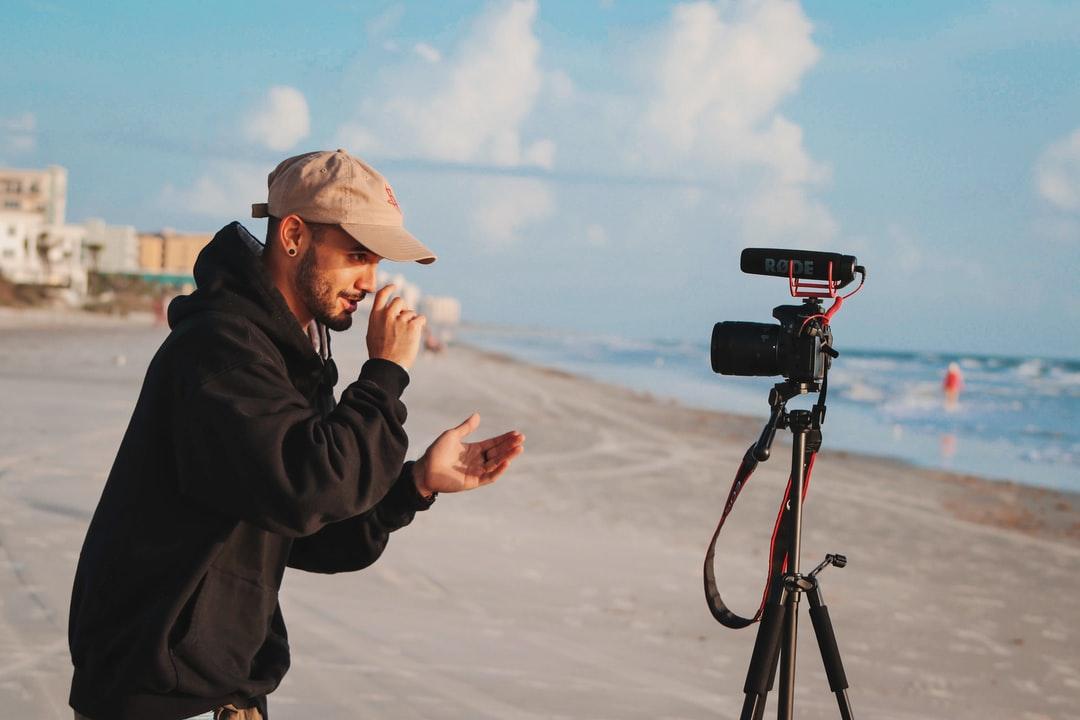
IRL streaming turns everyday experiences into live entertainment. Instead of broadcasting from a gaming setup, creators take viewers into city streets, restaurants, airports, festivals, sporting events, and unfamiliar countries.
The appeal is simple: anything can happen. Travel and IRL streams feel less predictable than traditional studio broadcasts. Viewers are not only watching a destination. They are exploring it alongside the creator, suggesting places to visit, reacting to unexpected encounters, and influencing what happens next.
Choosing the right platform for this type of content is not always straightforward. Twitch has one of the most established IRL communities, YouTube gives travel streams a longer life after the broadcast, and Kick has become increasingly attractive to creators who prioritize live interaction and monetization.
So which platform is best for IRL streaming in 2026?
This guide compares Twitch, YouTube, and Kick across mobile streaming, discovery, community engagement, monetization, archived content, and travel-specific features. It also explains why the best choice may depend on whether you see yourself primarily as a livestreamer, a travel creator, or both.
Twitch vs YouTube vs Kick for IRL Streaming: Quick Comparison
| Category
|
Twitch
|
YouTube
|
Kick
|
|---|---|---|---|
| Established IRL community
|
Excellent
|
Good
|
Very good
|
| Mobile streaming
|
Excellent
|
Good
|
Good
|
| Live chat culture
|
Excellent
|
Good
|
Excellent
|
| Audience discovery
|
Good
|
Very good
|
Moderate
|
| Travel content after the stream
|
Limited
|
Excellent
|
Limited
|
| Search visibility
|
Limited
|
Excellent
|
Limited
|
| Monetization for established creators
|
Very good
|
Very good
|
Excellent
|
| Support for long broadcasts
|
Excellent
|
Very good
|
Excellent
|
| Best for pure livestreaming
|
Best overall
|
Good
|
Strong alternative
|
| Best for travel content businesses
|
Good
|
Best overall
|
Moderate
|
Twitch is generally the strongest platform for creators focused on the live IRL experience. YouTube is the better option for travel creators who want each stream to continue attracting viewers after it ends. Kick is especially appealing to creators who already have an audience and want a highly interactive, monetization-focused environment.
Twitch: Best for the Traditional IRL Streaming Experience
Twitch remains the most natural home for dedicated IRL livestreamers. The platform was built around long broadcasts, active chat participation, and communities that follow creators from one stream to the next. Its mobile app also allows creators to start IRL broadcasts directly from a phone or tablet, making it possible to stream without a complete backpack setup.
Twitch works particularly well for:
- walking tours;
- outdoor challenges;
- food and restaurant streams;
- convention coverage;
- road trips;
- city exploration;
- spontaneous lifestyle content.
The biggest strength is not merely the technology. It is the audience culture. Twitch viewers are accustomed to watching the same creator for several hours. They understand live chat conventions, subscriptions, emotes, raids, and channel communities. This makes it easier to turn a simple walk through a city into a shared experience.
Creators such as Jinnytty have built their identities around international travel, outdoor adventures, and highly interactive IRL broadcasts. Her content demonstrates how travel streams can become ongoing stories rather than isolated videos.
Best for: creators who want IRL streaming to be their main format rather than one part of a broader video channel.
YouTube: Best for Travel Discovery and Long-Term Growth
YouTube approaches live content differently. A Twitch IRL stream usually generates most of its value while it is happening. On YouTube, a travel broadcast can continue attracting viewers through search, recommendations, playlists, clips, and the archived replay.
That matters because travel content is often useful after the journey ends.
A livestream from Tokyo, Paris, Bangkok, or New York can later function as:
- a virtual walking tour;
- a destination guide;
- a cultural video;
- a restaurant review;
- a travel planning resource;
- a highlight source for Shorts and edited videos.
YouTube supports mobile livestreaming, although creators generally need at least 50 subscribers, channel verification, no recent live-streaming restrictions, and live access enabled. New channels may also need to wait before their first mobile broadcast begins.
This makes YouTube slightly less convenient for a brand-new creator who wants to start an immediate mobile stream. Once access is available, however, the platform offers a major strategic advantage: live, recorded, and short-form content can all support the same channel.
IShowSpeed is a strong example of how international travel and event-based livestreams can reach audiences far beyond a traditional gaming community. His broadcasts combine live reactions, public interactions, sport, travel, and highly shareable moments, while the channel continues benefiting from replays and clips after the stream.
Best for: travel creators who want livestreams to support a searchable, long-term video library.
Kick: Best for Monetization and Highly Interactive IRL Content
Kick has established itself as a serious home for personality-driven IRL streaming.
Its appeal comes from a combination of long-form live culture, active chat participation, and creator-friendly monetization. The platform is particularly suited to creators whose content depends on reactions, collaborations, public challenges, and unscripted situations.
Kick can be a good fit for:
- nightlife streams;
- creator collaborations;
- large public events;
- travel challenges;
- lifestyle broadcasts;
- personality-led IRL content.
Creators such as N3on have shown how Kick can support long, chaotic, clip-friendly broadcasts that spread across social platforms beyond the original stream.
The main limitation is discovery outside the live session. Kick is still more dependent on existing followers, collaborations, clips, and external promotion than YouTube. It can therefore be difficult for completely unknown travel creators to grow exclusively through the platform.
Kick is strongest when the creator already has an audience or produces moments likely to be redistributed across social media.
Best for: established creators focused on live engagement, subscriptions, collaborations, and viral moments.
Which Platform Has the Best Mobile Streaming Experience?
For travel creators, mobile streaming is not an optional feature. It is the foundation of the format. You need to be able to start quickly, monitor chat, switch cameras, manage audio, and remain live while moving between locations.
Twitch
Twitch offers one of the simplest direct paths to mobile IRL broadcasting. A creator can begin through the mobile app, making it suitable for beginners as well as experienced streamers who need a backup option.
YouTube
YouTube also supports mobile streaming, but the entry requirements make it less accessible to brand-new channels. The platform requires at least 50 subscribers for direct mobile live access, along with channel verification and a clean recent streaming record.
Kick
Kick can support mobile and external broadcasting workflows, but creators may rely more heavily on third-party streaming apps or dedicated IRL equipment when they want a professional mobile setup.
Winner: Twitch for accessibility and a live-first mobile experience.
Which Platform Is Best for Finding New Viewers?
Discovery works differently across the three platforms. Twitch viewers usually browse categories or follow creators they already know. A well-positioned IRL stream can attract new viewers, but smaller channels often compete with established creators at the top of the category.
Kick has a similar challenge. The platform can generate strong engagement once viewers arrive, but external visibility and creator collaborations often play a major role in growth.
YouTube offers the broadest discovery system. A stream can be surfaced through homepage recommendations, search results, suggested videos, subscriptions, and later through its archive.
For travel content, search can be especially valuable. People regularly look for specific destinations, landmarks, festivals, stadiums, hotels, and local experiences.
A title such as “Walking Through Seoul at Night — Live” may continue receiving traffic from viewers interested in Seoul even after the broadcast has ended.
Winner: YouTube for discovery and long-term reach.
Which Platform Has the Best Live Community?
IRL content depends heavily on chat. Viewers may decide where the creator goes, what food they try, which route they take, or how they respond to an unexpected situation. The stronger the chat culture, the more interactive the stream becomes.
Twitch has the most mature community infrastructure of the three. Its emotes, moderators, subscriptions, channel points, and established chat behavior all support long-term audience loyalty.
Kick also performs well in this area. Its audience generally expects direct creator interaction, and many channels develop fast-moving, personality-driven chats.
YouTube Live chat can become very active on large channels, but YouTube viewers are often less centered around livestreaming as a daily community habit. Many arrive for a particular topic and leave once the event ends.
Winner: Twitch, with Kick as a strong alternative.
Which Platform Is Best for Saving and Repurposing Travel Streams?
Travel content is expensive and time-consuming to produce. Flights, hotels, transportation, mobile data, equipment, and local planning all add to the cost.
That makes repurposing especially important.
One travel livestream can later become:
- a full replay;
- several edited travel videos;
- destination guides;
- vertical clips;
- Shorts;
- reaction compilations;
- behind-the-scenes videos.
YouTube is the clear leader here because livestream archives remain part of the same content ecosystem as regular uploads. Streams can be organized into playlists and continue appearing in recommendations.
On Twitch and Kick, VODs are more closely tied to the immediate live community. Creators often need to export, download, edit, and redistribute the content elsewhere to generate lasting value.
Winner: YouTube.
Best Platform for Different Types of IRL Content
| Type of content
|
Best platform
|
Why
|
|---|---|---|
| Daily lifestyle streams
|
Twitch
|
Strong live community and repeat viewing
|
| International travel streams
|
YouTube
|
Searchable archives and global discovery
|
| Walking tours
|
YouTube
|
Strong replay and destination-search value
|
| Outdoor challenges
|
Twitch
|
Long-form interaction and established IRL audience
|
| Nightlife streams
|
Kick
|
Personality-driven, highly interactive environment
|
| Travel documentaries with live elements
|
YouTube
|
Live and edited content support each other
|
| Conventions and festivals
|
Twitch or YouTube
|
Twitch for chat; YouTube for long-term replay
|
| Creator collaborations
|
Kick or Twitch
|
Strong live personalities and community crossover
|
| Food and restaurant streams
|
Twitch or YouTube
|
Twitch for interaction; YouTube for search
|
| One-time global events
|
YouTube
|
Better recommendation and archive potential
|
Popular IRL and Travel Streamers to Study
Creators should not copy another streamer's personality, but studying successful channels can reveal how different formats work.
Jinnytty is a useful example of travel-focused Twitch streaming. Her long journeys, outdoor challenges, and international broadcasts show how a creator can turn travel into a continuing live narrative.
ExtraEmily demonstrates the entertainment-first side of Twitch IRL, combining city activities, challenges, collaborations, and spontaneous public content.
IShowSpeed shows the scale that travel and public-event livestreaming can reach on YouTube when it is supported by a large personality, global topics, and a strong clips ecosystem.
N3on represents a more viral, personality-driven approach on Kick, where long live sessions generate moments that can spread through clips and social media.
Creators and brands can use StreamMetrix.com to compare popular channels, examine audience performance, and understand how different IRL formats perform across major platforms.
What Equipment Do You Need for IRL Travel Streaming?
A smartphone may be enough for a short city walk, but longer travel streams require more preparation.
A practical beginner setup usually includes:
- a modern smartphone;
- an external microphone;
- a power bank;
- a stabilizer or compact grip;
- a reliable mobile data plan;
- a second SIM or backup connection;
- wired or wireless earphones for alerts;
- weather protection for the phone.
More advanced creators may use a dedicated IRL backpack with multiple bonded cellular connections, an encoder, external cameras, large batteries, and remote monitoring.
Equipment should match the stream. Carrying an expensive backpack setup makes little sense for occasional broadcasts, while relying on one phone connection may be too risky for a professional multi-hour travel stream.
Internet Connection Matters More Than Camera Quality
Viewers may tolerate a slightly imperfect image, but they will quickly leave a stream that constantly freezes or disconnects.
YouTube recommends leaving additional upload bandwidth above the stream's bitrate rather than using the entire available connection. It specifically suggests maintaining roughly 20% extra capacity to reduce the risk of interruptions.
Before streaming in a new destination:
- test local mobile coverage;
- check upload speed rather than download speed;
- avoid the highest bitrate your connection can technically reach;
- carry a backup SIM;
- lower resolution when moving into weak coverage;
- record a local copy where possible.
Travel creators should also remember that network performance can change dramatically between streets, buildings, trains, airports, and rural areas.
IRL Streaming Safety and Privacy
Travel livestreaming creates risks that studio creators do not face. Broadcasting your exact location can attract unwanted attention. Showing hotel details, tickets, passports, payment screens, or private conversations can also expose personal information.
Creators should avoid:
- showing their hotel room number;
- revealing travel documents;
- streaming private individuals without considering consent;
- reading sensitive information on camera;
- driving while managing chat or equipment;
- filming in restricted locations;
- following dangerous viewer suggestions;
- displaying their exact route before reaching a secure location.
Recent incidents involving distracted driving during IRL broadcasts illustrate why streamers should never operate chat or production equipment while controlling a vehicle.
A moderator or remote producer can make travel streams much safer by monitoring chat, removing personal information, contacting the creator privately, and ending the broadcast if necessary.
Should Travel Creators Multistream?
Multistreaming can be useful, but it introduces practical challenges. Broadcasting simultaneously to Twitch, YouTube, and Kick may expand reach, yet a travel creator still needs to follow several chats and adapt to different audience cultures.
A better strategy for many creators is to choose one primary live platform and use the others for distribution.
For example:
- stream primarily on Twitch and publish highlights on YouTube;
- stream on YouTube and promote the broadcast through short clips;
- stream on Kick and distribute viral moments across other channels.
A single strong community is usually more valuable than three unattended chats. Multistreaming becomes more practical once a creator has moderators, reliable equipment, and a clear plan for handling audiences across platforms.
Final Verdict: What Is the Best IRL Streaming Platform?
For pure IRL livestreaming, Twitch remains the best overall platform in 2026. Its established IRL audience, strong chat culture, mobile broadcasting tools, and support for long, interactive sessions make it the most complete option for creators who want live content to be the center of their channel.
For travel creators building a long-term media brand, YouTube is often the smarter choice. Streams remain discoverable, can attract search traffic, and work naturally alongside edited travel videos and Shorts.
Kick is a strong alternative for established personality-driven creators who prioritize monetization, long broadcasts, collaborations, and highly active live communities.
The best choice therefore depends on the goal:
- Choose Twitch to become an IRL livestreamer.
- Choose YouTube to build a travel content library.
- Choose Kick to monetize an existing live audience.
Platform choice matters, but it is not the only factor. Successful IRL streams still depend on a reliable connection, a clear concept, strong audience interaction, sensible safety precautions, and a creator who can make an ordinary location feel worth exploring.
