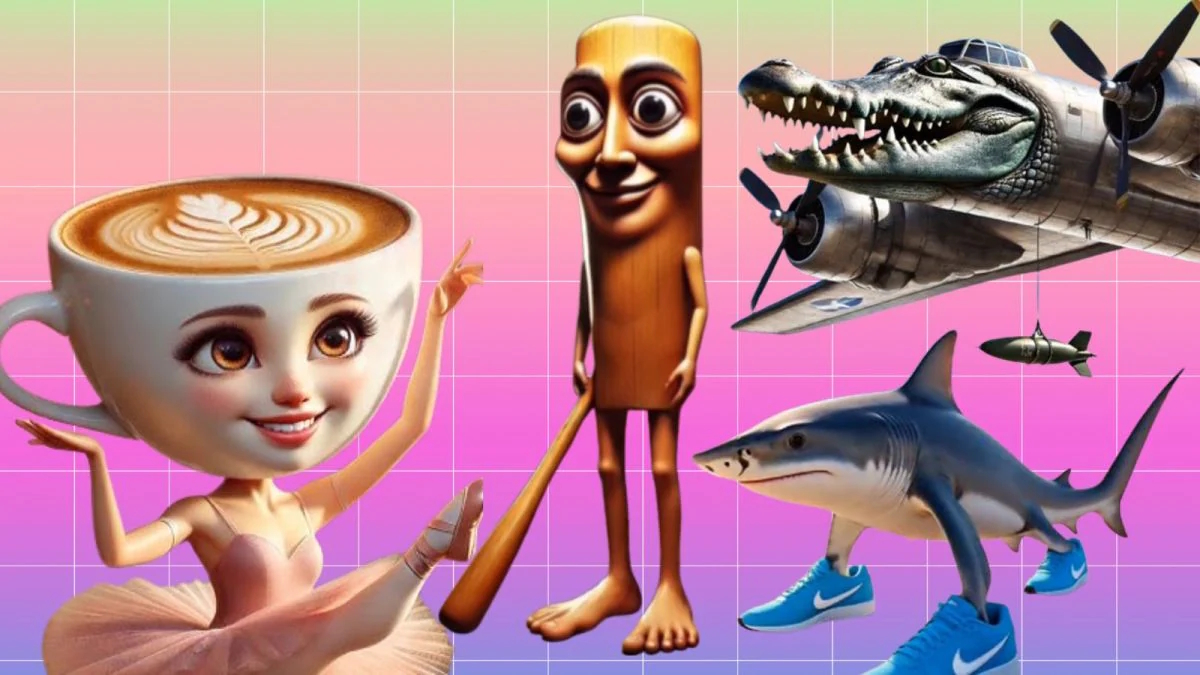
If you’ve spent any time on TikTok or YouTube Shorts in 2026, you’ve likely encountered a video that feels like a digital fever dream. Bright colors, nonsensical AI-generated creatures, and a distorted Italian opera soundtrack—this is the "Italian Brainrot" phenomenon. It is a style of content designed for maximum sensory overload, prioritizing speed and absurdity over traditional storytelling.
The trend emerged in early 2025 but has reached its peak in 2026. It features "hybrid creatures" created by AI, such as the famous Tralalero Tralalá (a shark wearing blue Nike sneakers) or Ballerina Cappuccina (a dancer with a coffee cup for a head). These characters are paired with pseudo-Italian names and high-pitched, synthetic voiceovers that shout rhythmic gibberish. It is "weirdness for the sake of weirdness," and it is working.
The Science of High-Stimuli Editing
Why is this style so successful? In 2026, creators are competing for the shortest attention spans in history. Italian Brainrot uses "Sensory Overload Design" to win that battle. The editing is characterized by:
-
Hyper-Speed Ramping: The video speed constantly fluctuates, zooming in and out to keep the eye moving.
-
Particle Effects and Overlays: Every second of the screen is filled with flashing text, emojis, or glitch effects.
-
Audio Layering: A mix of loud EDM, distorted nursery rhymes, and "aggressive" Italian narration creates a constant wall of sound.
Psychologists note that this style provides "micro-doses" of dopamine. Because the content changes every few seconds, the viewer’s brain is constantly rewarded with new information, making it incredibly difficult to scroll away. In the 2026 algorithm, where "Retention Rate" is the #1 metric, Italian Brainrot is a perfect machine.
The "Folk Art" of the AI Age
One of the most interesting aspects of Italian Brainrot is how easy it is to create. In 2026, anyone with a phone can use an AI Brainrot Generator to fuse two random objects—like a crocodile and a fighter jet—and give it a rhythmic name like Bombardiro Crocodilo.
This has led to a "decentralized" form of entertainment. There is no central studio or director; the community collectively decides which characters become famous. It’s a form of digital folklore where fans create their own "lore," families, and rivalries for these AI creatures. This participatory nature is what has allowed the trend to survive and evolve throughout 2025 and into 2026.
The 2026 "Post-Ironic" Humor
To an older viewer, Italian Brainrot might look like "AI slop" or meaningless noise. But for the 2026 audience, the lack of meaning is the joke. It is a form of "Post-Irony" where the absurdity acts as a rebellion against the polished, perfect aesthetic of early 2020s influencers.
It feels "punk" because it is illegible to parents and teachers. By creating a visual and linguistic code that only they understand, young viewers have built a digital playground that belongs entirely to them. Whether it's through a Roblox game or a viral TikTok song, Italian Brainrot is the sound of the 2026 internet: loud, chaotic, and completely unpredictable.
Final Thoughts: The Future of Overstimulation
Italian Brainrot is more than just a meme; it is a sign of how content production is changing. In 2026, the most viral videos are no longer the ones that tell the best stories, but the ones that capture the most attention. While the trend will eventually fade, the high-stimuli, AI-driven editing style it pioneered is here to stay.
Read also: Spatial Streaming: The Rise of AR and VR Gaming in 2026
