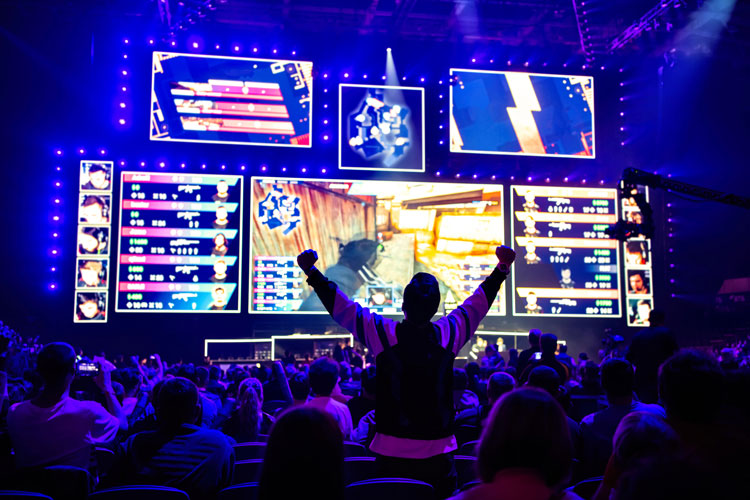
In 2026, the debate over the "best" platform for esports has moved past simple viewer counts. While Twitch remains the cultural home of the hardcore fan, YouTube and Kick have introduced technical and financial features that are shifting where the biggest tournaments choose to broadcast. Here is the definitive guide to the esports broadcasting landscape in 2026.
1. Twitch: The Cultural King of Esports
Twitch is still the dominant force in terms of total hours watched for gaming, holding roughly 54% of the market share in mid-2025.
-
Why it wins: Community Interaction. Features like Twitch Drops, real-time polls, and the "hype train" create an interactive stadium atmosphere that other platforms struggle to replicate.
-
The "Co-Streaming" Meta: In 2025, co-streaming (where popular creators like Caedrel or Gaules commentate on official matches) accounts for nearly 50% of total esports viewership. Twitch’s infrastructure is perfectly built for this "broadcast within a broadcast" model.
2. YouTube: The Technical Powerhouse
If Twitch is the stadium, YouTube is the high-definition home theater. For major events like the League of Legends World Championship, YouTube often draws nearly twice the peak viewers of Twitch.
-
Why it wins: Reliability and Quality. YouTube supports 4K HDR at 60fps, providing a visual fidelity that Twitch’s 1080p cap cannot match.
-
The DVR Advantage: The ability to pause and rewind a live match is a "killer feature" for esports. Fans can rewind to see a team-fight they missed and then jump back to "Live" instantly.
-
VOD Longevity: Once the stream ends, the match is instantly indexed and searchable, allowing it to continue racking up millions of views for years.
3. Kick: The Emerging Disruptor
Kick has gone from an "underdog" to a legitimate esports player in 2025, capturing roughly 11% of the gaming market.
-
Why it wins: Aggressive Acquisition. In 2025, Kick has begun securing exclusive or primary rights for specific regional tournaments, such as Turkey’s TCL. During the StarLadder Budapest Major, Kick accounted for over 20% of the total viewership.
-
Creator-Led Coverage: By offering a 95/5 revenue split, Kick has attracted high-tier analysts who bring their loyal audiences with them, creating a more "raw" and unfiltered viewing experience.
Platform Comparison: Esports Feature Set
| Feature | Twitch | YouTube | Kick |
|---|---|---|---|
|
Max Quality |
1080p / 60fps |
4K / 60fps |
1080p / 60fps |
|
Pause/Rewind |
No |
Yes (DVR) |
No |
|
Viewer Reach |
High (Hardcore fans) |
Extreme (Global) |
Medium (Growing) |
|
Esports Rewards |
Twitch Drops (Custom) |
Integrated Rewards |
Emerging |
|
VOD Discovery |
Low (Temporary) |
High (Permanent) |
Medium |
The Verdict: Which Should You Choose?
-
For the "Hype" Fan: Twitch is the best. If you want the fastest chat, the best emotes, and to feel like you're in a crowd of 500,000 people, Twitch’s "live-only" energy is unmatched.
-
For the "Analytic" Fan: YouTube is superior. If you care about every pixel in a VALORANT match or want the convenience of rewinding a Dota 2 play, YouTube’s tech is years ahead.
-
For the "Niche" Fan: Kick is worth watching. It is becoming the home for regional leagues and "unfiltered" commentary that is often too edgy for the more corporate environments of Twitch and YouTube.
