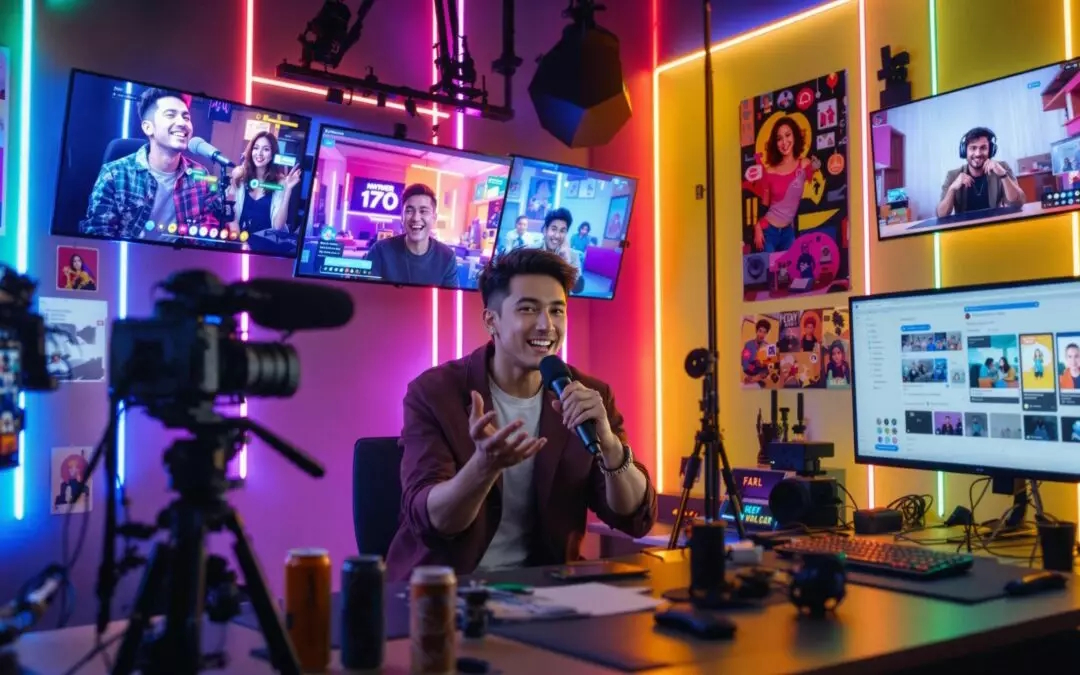
In 2026, the era of the "Mega-Influencer" is facing its biggest challenge yet: Influencer Fatigue. Audiences are no longer impressed by millions of followers; they are looking for specialized knowledge and radical authenticity. This shift has given rise to the "Niche Hub" — a focused community where depth of connection is more valuable than breadth of reach.
For the last decade, the goal of social media was simple: get as many followers as possible. But in 2026, the "Mass Messaging" model has broken. Between AI-generated content flooding the feeds and a 34% drop in engagement for generic lifestyle creators, the "Mega-Influencer" is being replaced by the Niche Hub.
Here is why the internet is moving toward smaller, more intentional digital spaces — and how you can lead one.
1. The "Influencer Fatigue" Phenomenon
By 2026, over 50% of users report feeling "burned out" by over-polished, commercialized content. When a creator with 10 million followers promotes a product, it feels like a traditional TV ad. When a Niche Expert with 5,000 followers recommends a tool, it feels like advice from a trusted colleague.
-
The Stat: In 2026, 78% of Gen Z consumers prioritize peer opinions and "un-influencers" over celebrity endorsements.
-
The Shift: Authenticity is now the primary currency. Imperfection — streaming from a messy office or sharing real struggles — outperforms high-budget studio setups.
2. What Exactly is a "Niche Hub"?
A Niche Hub is a streaming community built around a singular passion, problem, or identity. Instead of trying to appeal to everyone, these creators become the "operating system" for a specific group.
-
Examples: A Discord-integrated stream for amateur solar-panel installers, a TikTok Live dedicated exclusively to 1990s Japanese stationery, or a YouTube channel for "Eco-conscious Solo Travelers."
-
The Algorithmic Advantage: 2026 algorithms (like TikTok’s Interest Graph 3.0) now prioritize "Group Identity." If your content serves a tight-knit niche, the platform will deliver your stream directly to that "bubble" with 10x more precision than a general lifestyle post.
3. "Micro-Engagement" vs. "Mass Reach"
In the 2026 economy, Interaction Density is the only metric that matters for monetization.
-
The Revenue Reality: A Niche Hub with 2,000 highly active members often generates more revenue through Channel Memberships and Digital Goods than a 1-million-follower account does through declining ad-sense.
-
Co-Creation: Niche hubs thrive on participation. 2026's top streamers use their audience as a "think tank," letting them vote on projects, name products, and even co-host segments.
4. How to Transition to a Niche Model
If you are currently a "general" creator, 2026 is the year to pivot.
-
Identify Your "Hard Skill": What is the one thing people always ask you for advice on?
-
Build a "Closed-Loop" Community: Use your Live streams to funnel people into private spaces like Slack, Discord, or native platform "Communities."
-
Stop Chasing Trends: Don't do the viral dance. Do the deep-dive tutorial. The 2026 search engine indexes your expertise, not your ability to mimic a trend.
| Feature | Mega-Influencer (Legacy) | Niche Hub Creator (2026) |
| Primary Goal | Viral Reach | Community Trust |
| Content Style | Polished / Aspirational | Raw / Educational |
| Monetization | Corporate Brand Deals | Memberships & Digital Goods |
| Discovery | Random FYP Luck | Intent-Based Search & Groups |
Small is the New Big
The "End of the Mega-Influencer" isn't a funeral; it's an opportunity. As the internet fragments into millions of smaller, more meaningful pieces, the creators who choose to "go deep" instead of "go wide" will be the ones who build sustainable, recession-proof careers.
A good example for this article is Games Done Quick (GDQ) — this is the world's premier charity speedrunning organization, hosting biannual marathons: Awesome Games Done Quick (AGDQ) and Summer Games Done Quick (SGDQ). Based in the USA, these events raise millions for Doctors Without Borders and the Prevent Cancer Foundation. This StreamMetrix page tracks the 24/7 broadcast metrics, correlating specific speedrun blocks and 'incentive' runs with peak concurrent viewership and donation velocity.
