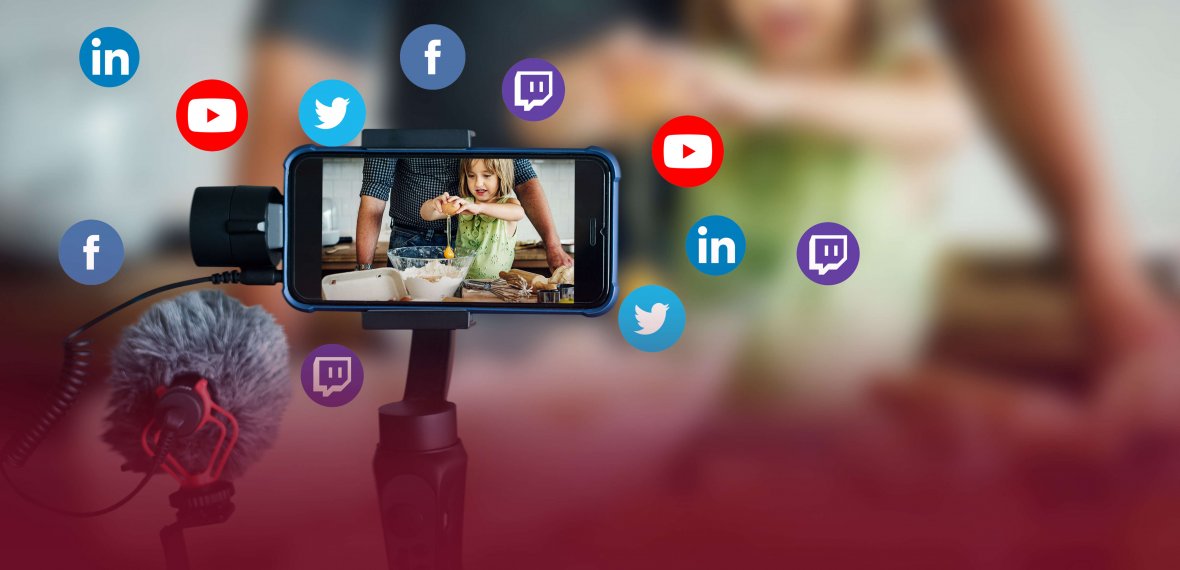
For years, the "holy grail" of streaming was a Twitch Partnership, which came with a strict exclusivity clause: you stream with us, and only us. But by March 2026, that landscape has been completely leveled. With Twitch CEO Dan Clancy removing major simulcasting restrictions and platforms like YouTube and Kick fighting for every viewer, the question isn't just "can you" multistream, but "should you?"
The Normalization of the "Multi-Platform" Titan
It is important to note that multistreaming became a dominant trend only relatively recently. For a long time, the industry was siloed, but the "Platform Wars" of 2024 and 2025 forced a change. Today, seeing a top-tier creator on multiple sites at once is the new standard. xQc, for instance, was a pioneer in breaking the "one-platform" mold with his massive non-exclusive deals, often appearing on both Kick and Twitch. Similarly, Ibai Llanos, the king of Spanish streaming, has mastered the art of the mega-event, broadcasting his record-breaking "La Velada" series simultaneously across Twitch, YouTube, and TikTok to capture a global audience of millions. Following their lead, creators like Valkyrae and Caedrel have shown that being "everywhere at once" is the most effective way to maintain a digital empire in 2026.
The Good: Why 2026 is the Year of Multi-Platform Growth
The biggest advantage of multistreaming today is discoverability. Platforms like Twitch have notoriously poor "organic" growth for small channels. By streaming to YouTube and TikTok Live simultaneously, you tap into their superior recommendation algorithms. If you go viral on a TikTok Live "Scroll," you can instantly funnel those viewers to your main community.
Furthermore, technology in 2026 has made this seamless. Cloud-based tools like Restream or specialized OBS plugins now allow you to broadcast to five platforms at once without needing a NASA-level computer. You no longer have to choose between a vertical feed for mobile and a horizontal one for desktop; AI-driven software handles the "Dual-Canvas" cropping for you in real-time.
The Bad: The "Intimacy Gap" and Chat Chaos
The main reason veterans often advise against multistreaming is the dilution of community. When you are talking to three different chats, viewers on Twitch often feel ignored when you answer a question from a YouTube user they can't see. Even with "Unified Chat" overlays—which Twitch finally officially permitted in early 2026—the experience can feel disjointed.
For a new streamer, building a "core" group of 10-20 loyal fans is crucial. It is much harder to build that deep connection when your attention is split. Additionally, each platform has its own culture. What works on the chaotic world of Kick might feel out of place on the more moderated, corporate-friendly YouTube Live.
Key Takeaways for New Streamers
-
Exclusivity is Dead: Following the lead of xQc and Ibai, most creators now treat exclusivity as an outdated concept.
-
Algorithm Advantage: Multistreaming lets you leverage the high discoverability of TikTok and YouTube while keeping your Twitch perks.
-
Unified Tools: Use AI-powered plugins to manage multiple chats and canvases without extra hardware.
-
Community First: If your chat feels ignored because you're looking at another platform, you will lose viewers.
-
The "Smart Funnel": Use TikTok Live as a discovery window to drive traffic to your primary "home" platform.
So, is multistreaming good for you in 2026? If you have the technical setup to manage a unified chat and the energy to greet multiple "rooms" at once, it is the fastest way to escape the "0-viewer" trap. But remember: even the biggest stars started by winning over one person at a time.
Read also: CazéTV: The YouTube Channel That Broke the TV Monopoly
